
A comprehensive breakdown of environmental marketing’s biggest pitfall—and how authentic green businesses can communicate their impact without falling into the greenwashing trap.
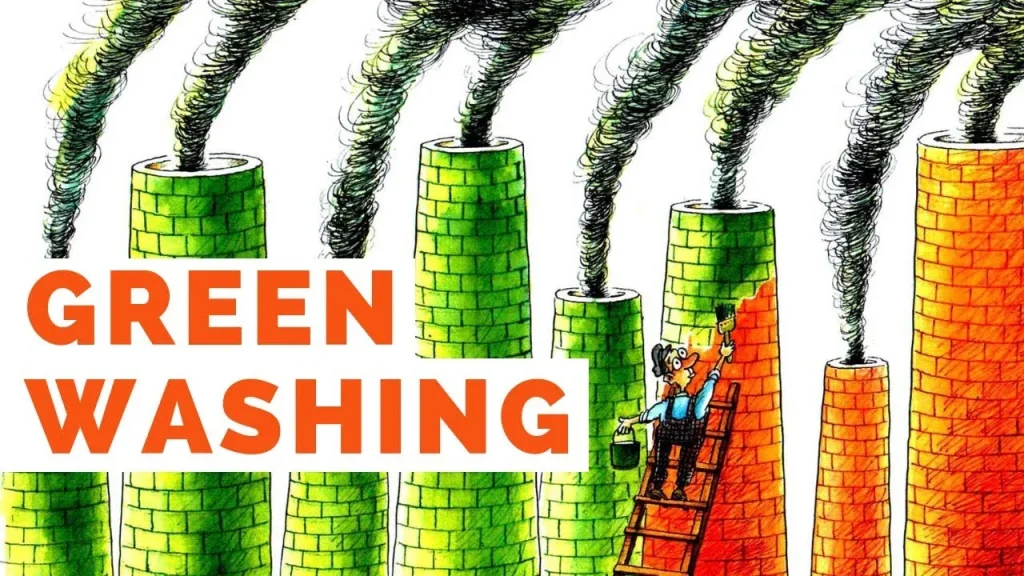
Photo credit: bioplastics.com
When Reality Challenges Our Green Assumptions
At a recent international Hemp meeting I attended, the conversation turned to an ad for a bottle that had 10% hemp in it (only 10% hemp, the attendees lamented, accusing the company of greenwashing). I asked a question: “If hemp cellulose can replace all petrochemical-based plastics, why aren’t we seeing more of it around and more of it in bottles and containers?”
I was surprised by the answer I received from the guest speaker, Colin Steddy, a person who has been growing hemp for more than 30 years and who has been actively looking for ways to use more hemp and create products from hemp and is now developing a complete wood made from the whole hemp plant. He told me that he knows from personal experience that 100% hemp plastic is not strong enough to be used as plastic containers and that is why you see blends of it and not 100% hemp containers in the marketplace. He added that there has been a lot of false information about this and companies promising more than they can deliver. He said that taking steps to become more and more sustainable is what he saw as a good way to go.
This made me wonder if I should loosen my hardline on 100% sustainable materials in our goods. Is “taking a step in the right direction” by using some sustainable materials “good enough” or “greenwashing”?And, if we don’t ask for, and demand 100% sustainable materials in products, will things ever change, or will they stay at unacceptable levels that people call ‘greenwashing’? How can you tell what is really ‘greenwashing’ and what is an honest attempt at being sustainable and environmentally responsible?
This example reveals the complex landscape of environmental marketing, and how easy it is to mislead consumers and environmental advocates alike. Let’s dive into what greenwashing actually is, how to spot it in the wild, and examine real-world examples that illustrate these concepts in action.
What Is Greenwashing?
Greenwashing is the practice of making misleading or unsubstantiated claims about the environmental benefits of a product, service, or company practice. The term, coined by environmentalist Jay Westerveld in 1986, describes when organizations spend more time and money on marketing themselves as environmentally friendly than on actually implementing sustainable practices.
At its core, greenwashing exploits consumers’ growing environmental consciousness by presenting a false image of ecological responsibility. It’s not just misleading—it actively undermines genuine sustainability efforts and erodes consumer trust in authentic green businesses.
The 7 Critical Pitfalls of Greenwashing (And How to Avoid Them)
While environmental marketing firm TerraChoice’s 2009 framework of “Seven Sins of Greenwashing” provided an early foundation for understanding greenwashing tactics, recent research (2020-2023) has seen more and more systematic reviews published that have evolved our understanding significantly. Current academic research has identified a major classification of greenwashing: firm-level executional, firm-level claim, product-level executional, and product-level claim, providing a more nuanced framework for the modern era.
However, the original seven categories remain valuable for practical application, updated with contemporary examples and current understanding. Let’s examine each one with real-world examples of both failures and successes.
1. The Hidden Trade-Off Pitfall
What it is: Suggesting a product is “green” based on a single environmental attribute while ignoring other important factors.
Greenwashing Example: Amazon’s “Climate Pledge Friendly” program has been criticized for highlighting products with minimal environmental improvements while ignoring their massive carbon footprint from production and shipping. For instance, labeling single-use items as “sustainable” because they contain 10% recycled content, while ignoring their overall disposability.
Green Marketing Done Right: Patagonia’s approach to their products acknowledges trade-offs openly. When promoting their recycled polyester fleece jackets, they don’t just highlight the recycled content—they also discuss the environmental impact of synthetic materials shedding microplastics and actively research solutions. Their “Don’t Buy This Jacket” campaign even discouraged unnecessary purchases, demonstrating genuine commitment to reducing consumption.
2. The No Proof Pitfall
What it is: Making environmental claims that cannot be substantiated by easily accessible supporting information or reliable third-party certification.
Greenwashing Example: Keurig faced lawsuits over claims that their K-Cup pods were “recyclable.” While technically true, the reality was that most recycling facilities couldn’t process them due to their mixed materials and small size. The company provided no clear proof that their pods were actually being recycled at scale.
Green Marketing Done Right: Interface Inc., the carpet manufacturer, provides detailed annual sustainability reports with third-party verified data about their Mission Zero initiative. They share specific metrics: carbon intensity reduced by 96%, renewable energy usage at 88%, and they openly discuss both successes and areas where they’re still working to improve. Every claim includes methodology and verification sources.
3. The Vagueness Pitfall
What it is: Using terms that are so poorly defined or broad that their real meaning is likely misunderstood by consumers.
Greenwashing Example: Many cleaning products use terms like “natural,” “eco-friendly,” or “green” without specific definitions. Seventh Generation faced criticism when their “plant-based” cleaners still contained synthetic ingredients, and the term “plant-based” wasn’t clearly defined on packaging.
Green Marketing Done Right: Dr. Bronner’s soap company provides extreme transparency in their marketing. Instead of vague terms, they specify exactly what their certifications mean: “USDA Organic (95%+ organic ingredients),” “Fair Trade Certified (ensures fair wages to farmers),” and “Non-GMO Project Verified (tested for genetic modification).” Each term links to detailed explanations of standards and verification processes.
4. The False Label Pitfall
What it is: When a product gives the impression of third-party endorsement where no such endorsement exists, often through fake labels or misleading imagery.
Greenwashing Example: Many companies create their own “green” logos that mimic legitimate certifications. For instance, some plastic products display green leaf symbols or recycling-like imagery that suggests environmental endorsement but represents no actual certification or standard.
Green Marketing Done Right: Ben & Jerry’s ice cream displays only legitimate, verifiable certifications on their packaging: Fair Trade Certified, Caring Dairy (their own program with transparent standards), and specific organic certifications. They explain what each certification means and provide links to the certifying organizations. Their marketing focuses on the actual standards behind these labels rather than just displaying logos.
5. The Irrelevance Pitfall
What it is: Making environmental claims that may be truthful but are unimportant or unhelpful for consumers seeking environmentally preferable products.
Greenwashing Example: CFC-free claims on products where CFCs are already banned by law. Many aerosol products still prominently display “CFC-free” messaging, despite CFCs being prohibited in aerosols since the 1990s. This creates a false impression of environmental responsibility for meeting basic legal requirements.
Green Marketing Done Right: Allbirds focuses their environmental messaging on genuinely relevant innovations: carbon-neutral shipping, materials innovation (merino wool, eucalyptus tree fiber), and measurable carbon footprint reduction. They don’t highlight basic compliance issues but instead communicate about areas where they’re pushing beyond industry standards. Each shoe displays its actual carbon footprint number, making environmental impact tangible and relevant.
6. The Lesser of Two Evils Pitfall
What it is: Claims that may be true within a product category but risk distracting consumers from the greater environmental impact of the category as a whole.
Greenwashing Example: The coal industry’s “clean coal” campaigns, heavily promoted by companies like Peabody Energy and the American Coalition for Clean Coal Electricity, focus on marginally improved emissions technology while promoting continued dependence on one of the most carbon-intensive energy sources. These campaigns highlight incremental improvements in coal plant efficiency while ignoring coal’s fundamental contribution to climate change and the availability of genuinely renewable alternatives.
Green Marketing Done Right: OLIO, the food-sharing app, focuses their environmental messaging on specific, measurable impact: “saved 50 million portions of food from waste, preventing 150,000 tonnes of CO2.” They acknowledge that their solution doesn’t solve all food waste problems but provides clear data on exactly what they do accomplish. Their marketing emphasizes community impact and provides regular updates on measurable environmental outcomes without claiming to be a complete solution to food waste.
7. The Outright Deception Pitfall
What it is: Making environmental claims that are simply false or cannot be verified by consumers or regulatory bodies.
Greenwashing Example: Volkswagen’s “Clean Diesel” campaign, which promoted their diesel vehicles as environmentally friendly while secretly installing software to cheat on emissions tests. The reality was that these vehicles produced up to 40 times the legal limit of nitrogen oxides, with 11 million cars worldwide affected by the emissions cheating software.
Green Marketing Done Right: Unilever’s Sustainable Living Plan includes specific, measurable commitments with regular progress reports. When they commit to “halving the environmental footprint of our products by 2030,” they define exactly what this means, how they measure it, and provide annual updates with third-party verification. They’ve also acknowledged when they’ve missed targets and explained what they’re doing differently.
The Psychology Behind Greenwashing’s Effectiveness
Understanding why greenwashing works helps explain why it’s so pervasive and why authentic green marketing requires extra care.
Consumer Desire for Easy Solutions: Many consumers want to make environmentally responsible choices but lack the time or expertise to research every purchase deeply. Greenwashing exploits this by offering simple, surface-level reassurance that relieves consumer guilt. This allows people to feel they’re helping the environment when purchasing products that may still be fundamentally unsustainable, overpackaged, or resource-intensive. The psychological relief of “doing something good” often prevents deeper examination of whether the purchase is actually necessary or beneficial.
The Halo Effect: When a company makes one genuine environmental improvement, consumers often assume their entire operation is environmentally responsible. Greenwashing leverages this by highlighting small improvements while concealing larger problems.
Guilt and Aspiration: Environmental marketing often targets consumer guilt about environmental impact and aspiration to be more responsible. Greenwashing provides false absolution for this guilt without requiring real change.
Red Flags: How to Spot Greenwashing
For Consumers:
- Vague language without specific metrics or standards
- Green imagery with no substantive environmental information
- Claims that seem too good to be true for the product category
- Lack of third-party certifications or verification
- Environmental claims as the primary marketing message for non-environmental companies
- Lack of stories and testimonials with easily verifiable evidence demonstrating exactly how they are being sustainable and how exactly it is making a measurable difference, without requiring scientific expertise to understand
For Businesses:
- Your marketing team makes environmental claims without input from sustainability or operations teams
- Environmental benefits are highlighted without acknowledging trade-offs or limitations
- Claims cannot be easily verified by customers or regulators
- Environmental messaging changes frequently without corresponding operational changes
- Environmental claims are defensive rather than proactive
Building Authentic Green Marketing: Best Practices
Transparency Over Perfection: Admit limitations and areas for improvement. Consumers trust honesty about challenges more than claims of perfection.
Specific Over Vague: Replace general terms like “eco-friendly” with specific, measurable claims like “reduces water usage by 30% compared to conventional methods.”
Third-Party Verification: Seek legitimate certifications and provide clear information about what they mean and who grants them.
Lifecycle Thinking: Consider and communicate about your product’s entire environmental impact, not just one aspect.
Continuous Improvement: Frame environmental efforts as ongoing commitments rather than completed achievements.
Education Over Persuasion: Help consumers understand environmental issues and how to evaluate claims rather than just promoting your specific solution.
The Business Case Against Greenwashing
Beyond ethical considerations, greenwashing poses significant business risks:
Legal Liability: Regulatory bodies increasingly scrutinize environmental claims, with potential fines and lawsuits for misleading marketing.
Reputation Damage: In the social media age, greenwashing exposure can spread rapidly and damage brand reputation permanently.
Consumer Backlash: Environmentally conscious consumers often become vocal critics when they discover greenwashing, leading to boycotts and negative word-of-mouth.
Competitive Disadvantage: Greenwashing creates short-term marketing gains but doesn’t build the operational improvements needed for long-term competitiveness in an increasingly environmentally conscious market.
Talent Acquisition: Top talent, especially millennials and Gen Z, increasingly want to work for genuinely sustainable companies. Greenwashing can hurt recruitment efforts.
Moving Forward: The Future of Environmental Marketing
As consumers become more sophisticated and regulatory oversight increases, the window for successful greenwashing continues to narrow. The businesses that thrive will be those that invest in genuine sustainability improvements and communicate about them authentically.
The most successful green marketing of the future will likely be:
- Data-driven and transparent
- Focused on systems change rather than individual products
- Honest about limitations and trade-offs
- Collaborative rather than competitive
- Educational and empowering for consumers
Environmental marketing isn’t just about avoiding greenwashing—it’s about using communication to drive genuine positive change. When done right, green marketing can educate consumers, drive industry innovation, and accelerate the transition to a more sustainable economy.
Educating Your Customers: The EEC Approach
One of the most effective ways to build trust with environmentally conscious consumers is through education. However, traditional marketing formats often fall short when explaining complex sustainability practices. An ad doesn’t provide enough space to explain the nuances of how your approach truly helps the planet. An ebook often collects digital dust in download folders. Videos on YouTube or your website require people to be in the right mindset to learn at the exact moment they encounter them—and most viewers don’t watch to the end.
This is where an Educational Email Course (EEC) approach hits the perfect sweet spot. A 5-email mini-course delivered over several days allows you to:
- Break down complex sustainability concepts into digestible pieces
- Meet people where they are (in their inbox) when they have time to engage
- Build your email list, which becomes a golden asset for your business
- Maintain practically free ongoing contact with customers for follow-up
- Deliver solutions to problems your potential customers actually have
Delivering education as a solution to your potential customer’s problems is one of the most effective ways to develop a loyal customer base. When people understand not just what you do, but why it matters and how it works, they become advocates rather than just customers. In the sustainability space, where trust and authenticity are paramount, educational content that genuinely helps people make better environmental choices creates the foundation for long-term business relationships.
This approach transforms your marketing from selling products to solving problems through knowledge—exactly what environmentally conscious consumers are looking for in an age of greenwashing skepticism.
Essential Resources for Understanding and Avoiding Greenwashing
Research and Analysis Sources:
- “Literature review of greenwashing research: State of the art” – Zioło (2024) – Recent comprehensive review published in Corporate Social Responsibility and Environmental Management, analyzing the current state of greenwashing research with focus on 2020-2023 developments.
- “Concepts and forms of greenwashing: a systematic review” – Environmental Sciences Europe (2020) – Academic review identifying major classifications including firm-level and product-level categories of greenwashing with updated taxonomies.
- Federal Trade Commission (FTC) Green Guides – Official US government guidelines for environmental marketing claims, updated regularly with specific legal requirements and examples.
- Corporate Accountability International – Non-profit organization that tracks and exposes corporate greenwashing with detailed case studies and policy recommendations.
Certification and Standards Resources:
- Green Business Certification Inc. (GBCI) – Organization behind LEED and other environmental standards, providing guidance on legitimate environmental certifications and verification processes.
- Cradle to Cradle Certified – Comprehensive product certification program with transparent standards and methodology for evaluating environmental impact across product lifecycles.
- B Corporation Certification – Third-party certification for companies meeting rigorous standards of social and environmental performance, accountability, and transparency.
Industry Guidelines and Best Practices:
- International Organization for Standardization (ISO 14021) – International standard for environmental labels and declarations, providing technical guidance for avoiding misleading environmental claims.
- “No End in Sight? A Greenwash Review and Research Agenda” (2024) – Recent comprehensive review noting that greenwashing is “more virulent than ever” with ESG and net zero commitments becoming fraught with questionable claims.
- Harvard Business Review – Sustainability Archive – Collection of peer-reviewed articles analyzing the business impact of environmental marketing strategies, including the costs of greenwashing and benefits of authentic sustainability communication.
These resources provide comprehensive guidance for both identifying greenwashing and developing authentic environmental marketing strategies that build consumer trust while driving genuine environmental improvement.